Buy Direct from Bihar Makhana Farm – Authentic Foxnuts from Mithila’s Traditional Ponds
Discover the Heart of Nature: Makhana Farm's Journey and Products
Explore Makhana Farm's story, mission, and vision. Learn about our sustainable cultivation process and discover delicious recipes featuring our premium makhana. Join us in celebrating nature's bounty and enjoy the health benefits of our organic products. Shop now and experience the essence of makhana from the heart of nature.
5/8/20242 min read
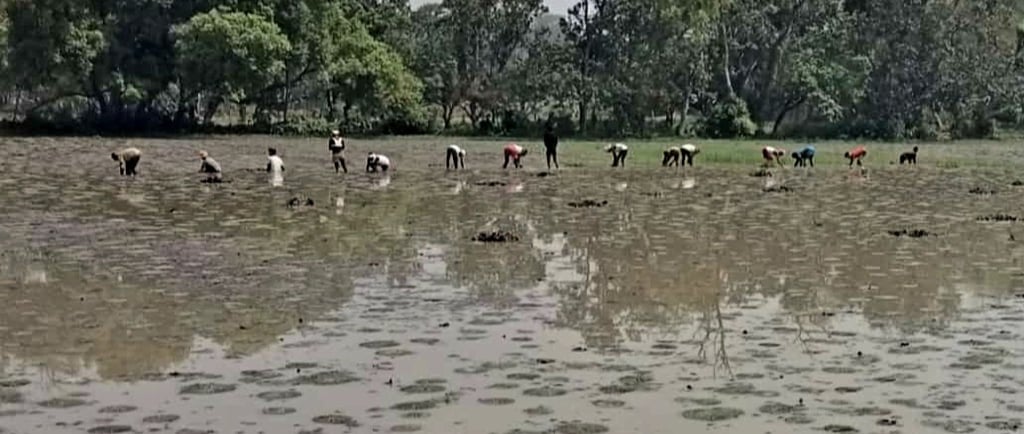
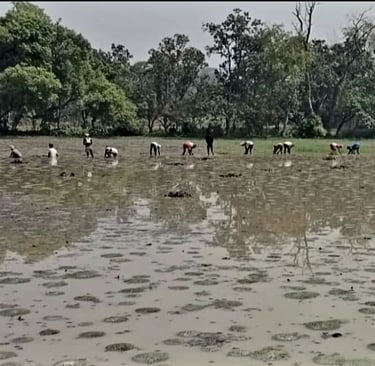
Sustainable Agriculture is extermely important in current times for the balance of ecology. Sustainability helps in combining best practices for communities that are beneficial to both farmer, and the envioronment.In the Mithila region of Bihar, makhana farming is not just an agricultural practice but a vital part of the local culture and economy. The unique cultivation methods used by farmers, including eco-friendly practices in ponds and wetlands, make it a model of sustainable agriculture. This quality has been recognized with the Geographical Indication (GI) tag, which highlights the crop’s special characteristics and its deep connection to the region’s heritage.
Bihar Makhana: Where Ancient Waters Create the World’s Finest Superfood
Long before wellness became a global industry, the still waters of Bihar’s ponds were quietly nurturing a treasure. Beneath broad, thorn-lined leaves and violet-white blossoms grew makhana — a seed that would one day travel from ritual kitchens of Mithilanchal to gourmet shelves across the world.
Today, Bihar produces nearly 90% of India’s makhana, and the farmers-owned “Bihar Makhana” brand, now positioned as the world’s largest makhana brand, stands as a powerful symbol of purity, provenance, and rural pride.
Born in Water, Shaped by Tradition
Makhana comes from Euryale ferox, a prickly water lily native to South and East Asia. Cultivated in ponds and wetlands, it is among the few crops grown almost entirely in water — making its harvest both demanding and deeply traditional.
For generations, families in Bihar’s Mithilanchal region have passed down the skill of makhana farming. The work is slow, precise, and labour-intensive — from hand-harvesting the seeds to carefully popping them over controlled heat. This craftsmanship gives Bihar makhana its distinctive lightness and crunch, unmatched elsewhere.
The Global Heartland of Makhana
The districts of Darbhanga, Madhubani, Purnea, and Katihar form the core of this ecosystem, together contributing nearly 80% of Bihar’s output. Surrounding districts such as Saharsa, Supaul, Araria, Kishanganj, and Sitamarhi complete a geography that has made Bihar the undisputed global centre of makhana production.
According to the Indian Council of Agricultural Research, makhana cultivation spans 15,000 hectares, producing around 10,000 tonnes of popped makhana annually — a scale no other region in the world matches.
From Sacred Food to Superfood
Traditionally consumed during festivals and fasting, makhana has found new relevance in a health-conscious world. Naturally low in fat, rich in protein, and easy to digest, it has become a preferred snack for fitness enthusiasts, nutritionists, and global consumers seeking clean, plant-based foods.
What was once local wisdom is now validated by modern science — and embraced by international markets.
A Brand Rooted in Farmers, Built for the World
The rise of the Bihar Makhana brand marks a turning point. Unlike conventional agri-exports, it is farmer-owned, ensuring value flows back to the communities that have safeguarded this crop for centuries.
Positioned as the world’s largest makhana brand, Bihar Makhana represents more than scale — it represents ethical sourcing, traceability, and authenticity. Each pack carries the story of water, labour, and land.
The Future Flows From Here
The global makhana market is projected to more than double by 2033, driven by demand for nutritious, sustainable foods. With strong infrastructure support, export-focused branding, and growing global recognition, Bihar is poised not just to supply the world — but to define the category.
Bihar Makhana is not merely a product.
It is heritage, health, and hope — harvested from water, and shared with the world.
Connect
Join us for updates and special offers.
Follow
Explore
Mail: care@makhanafarm.in
Contact: 9711124486
© 2025. makhanafarm.in All rights reserved.
Address: 10, Beloun, Darbhanga, Bihar, India